
NF7 Culinary geography
TASK 1 - Reading and speaking. 
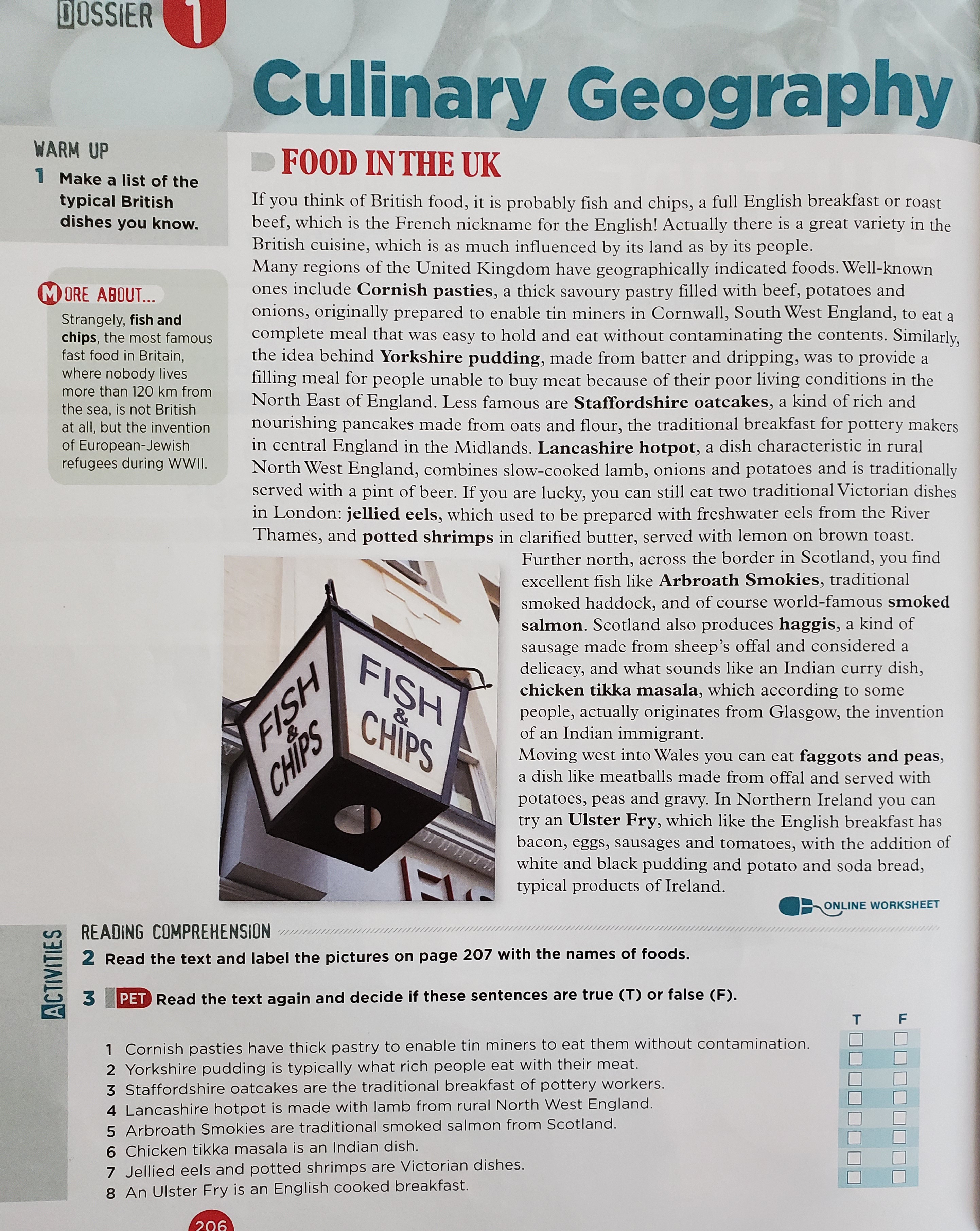
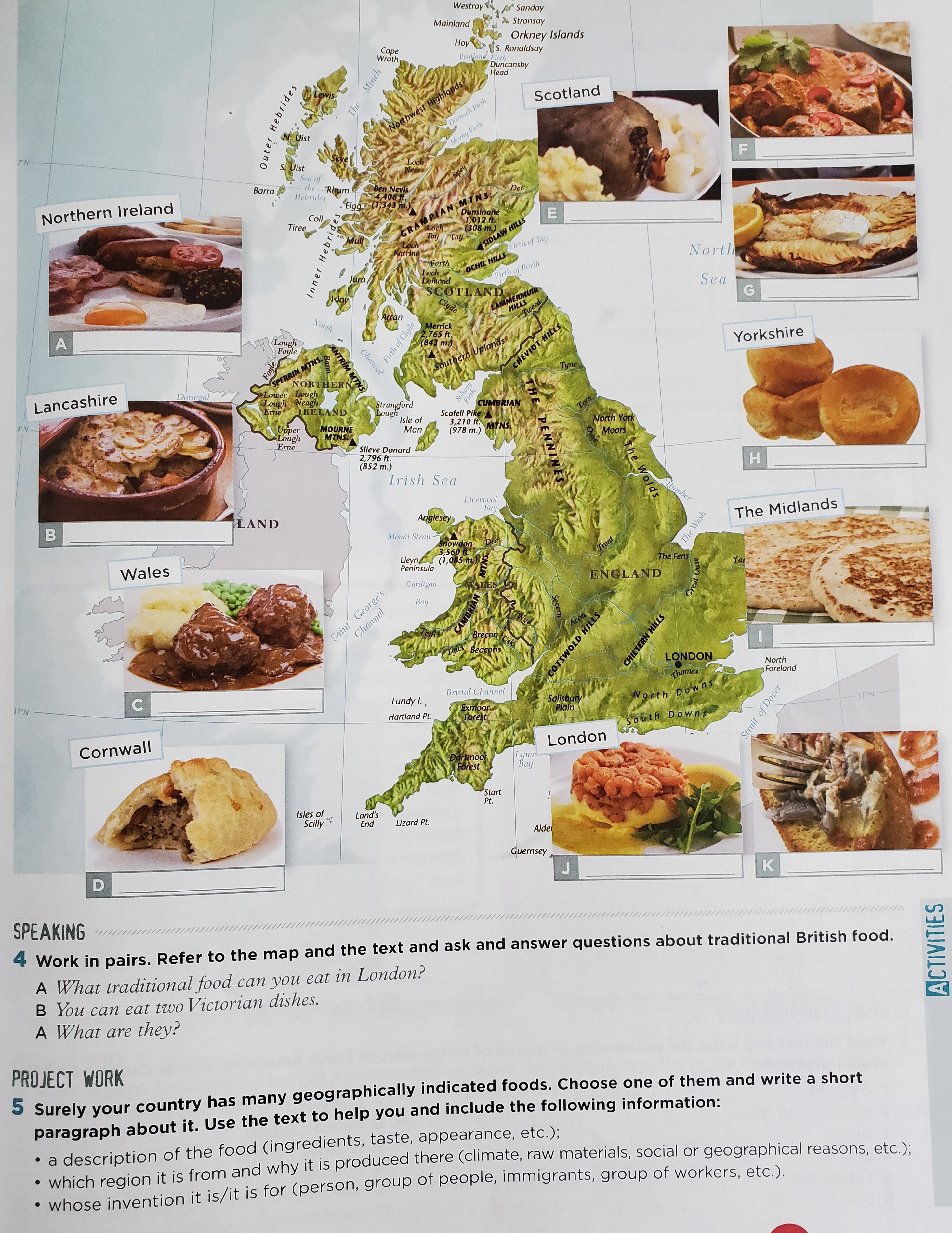
Food in the UK
Pre-reading exercise. What do these words mean?
| savoury (pastry) | batter | ||
| dripping |
filling (meal) |
||
| nourishing (pancake) | pottery | ||
| eel | haddock | ||
| offal | gravy | ||
|
black pudding |
TASK 2 - READING 
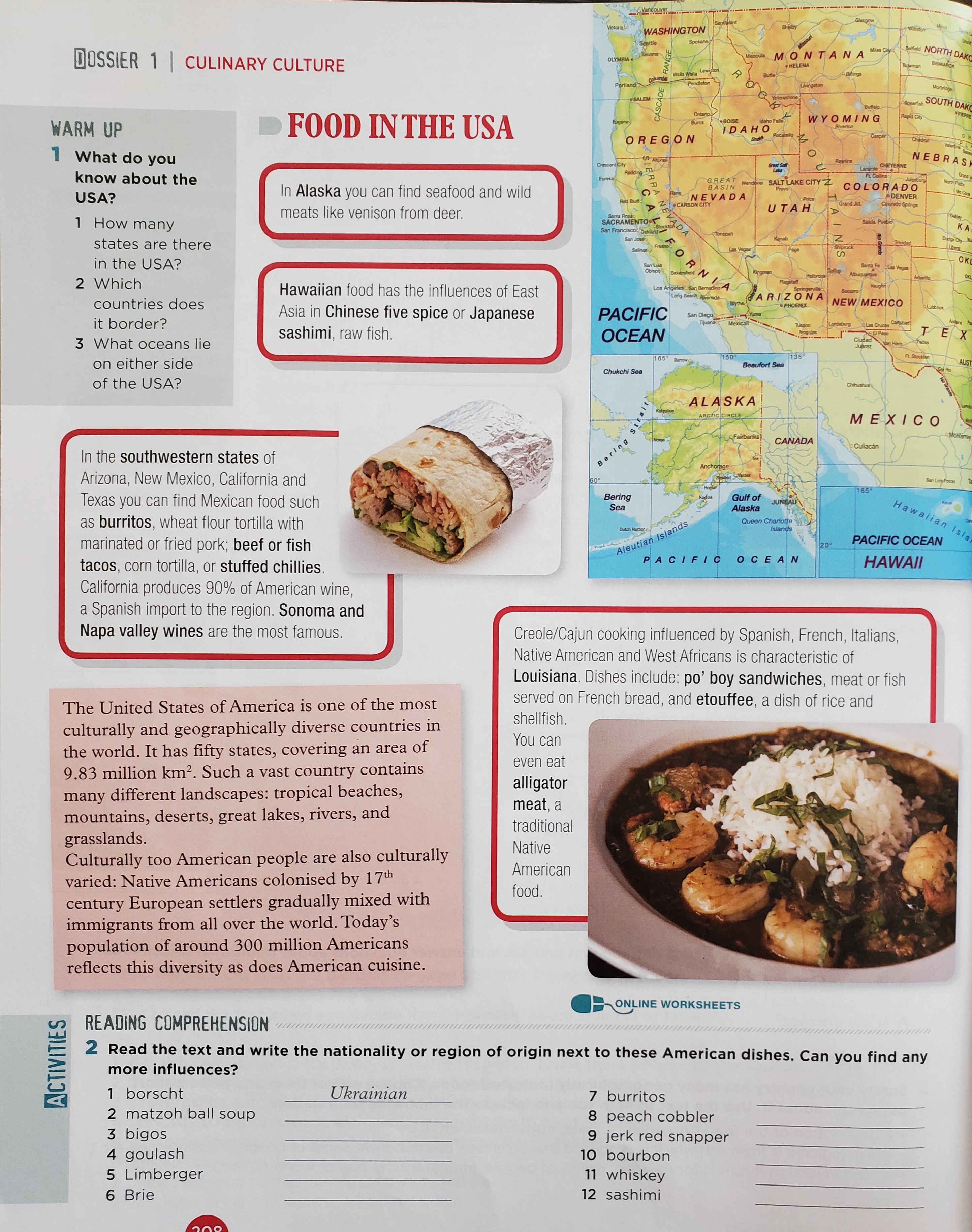
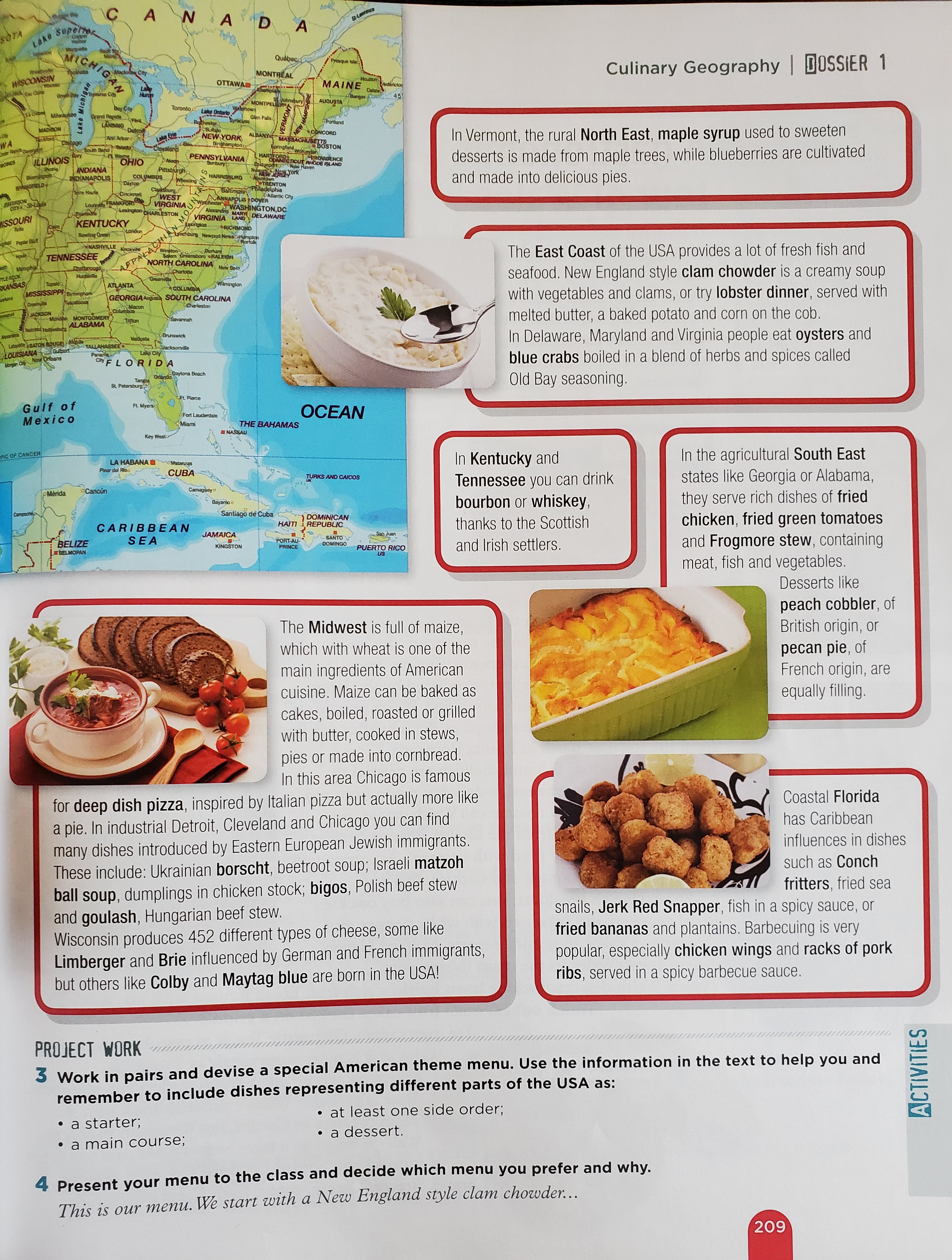
Food in the USA
Pre-reading exercise. What do these words mean?
| venison | stuffed | ||
| maple syrup | sweeten | ||
| corn on the cob | crab | ||
| settler | rich (dish) | ||
| stew | maize | ||
| beetroot | dumpling | ||
| stock | fritter |
TASK 3 - Grammar 
See PPT 2nd and 3rd Conditional in Suro and do the exercises in it.
TASK 4 - Speaking 
4.1. If we didn't have...
Students define things by making conditional sentences about what life would be like without the items. Each student gives 3 definitions. The student with most guesses is the winner.
Use these structures to define your items:
If we didn't have this/these, ...people would/wouldn't have to ...
If this didn't exist, ...nobody/most people would...
Ex. If this didn't exist, most people would be happier.
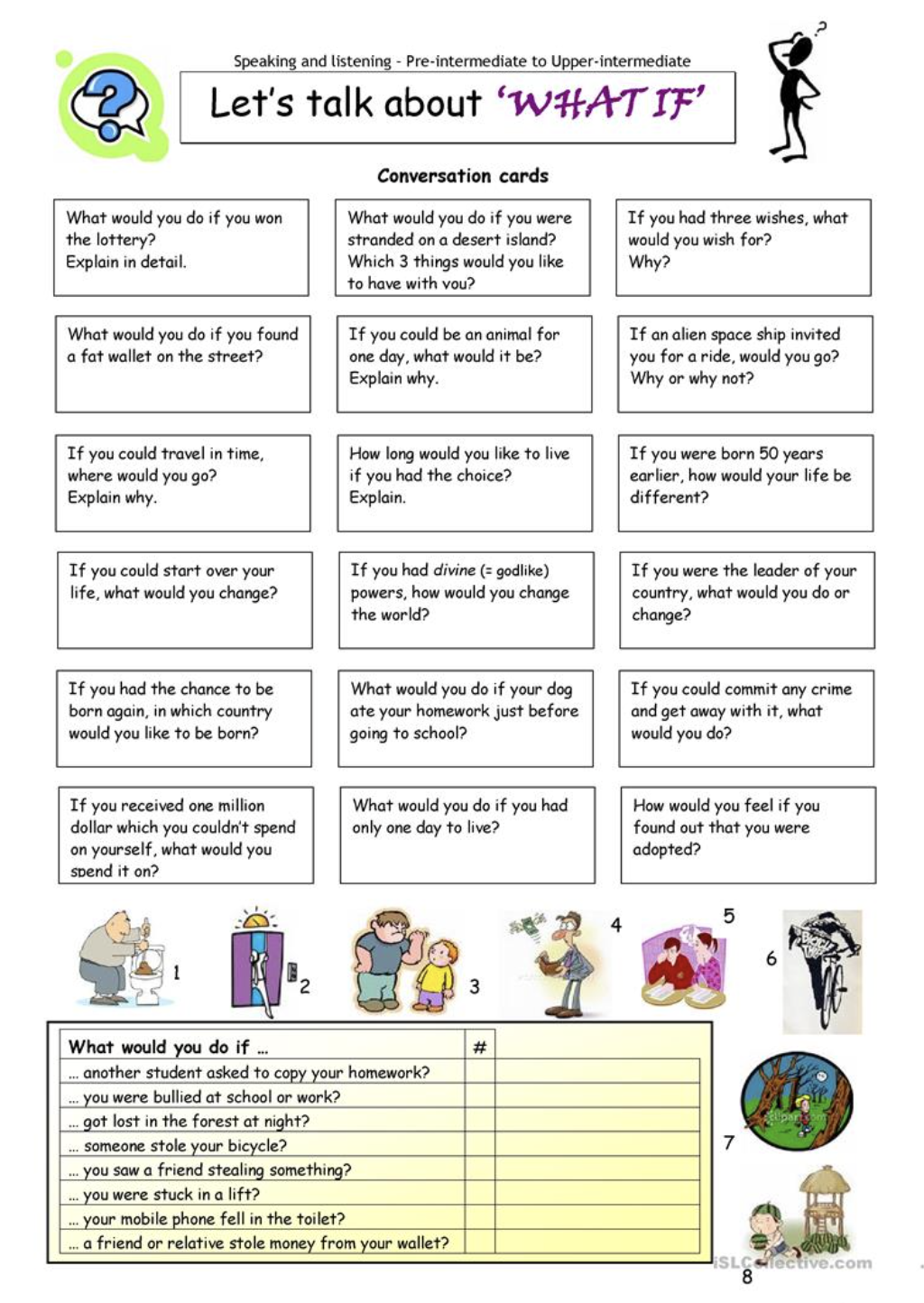
4.2. In groups of 5 let's discuss the following questions.
TASK 5 - Vocabulary 
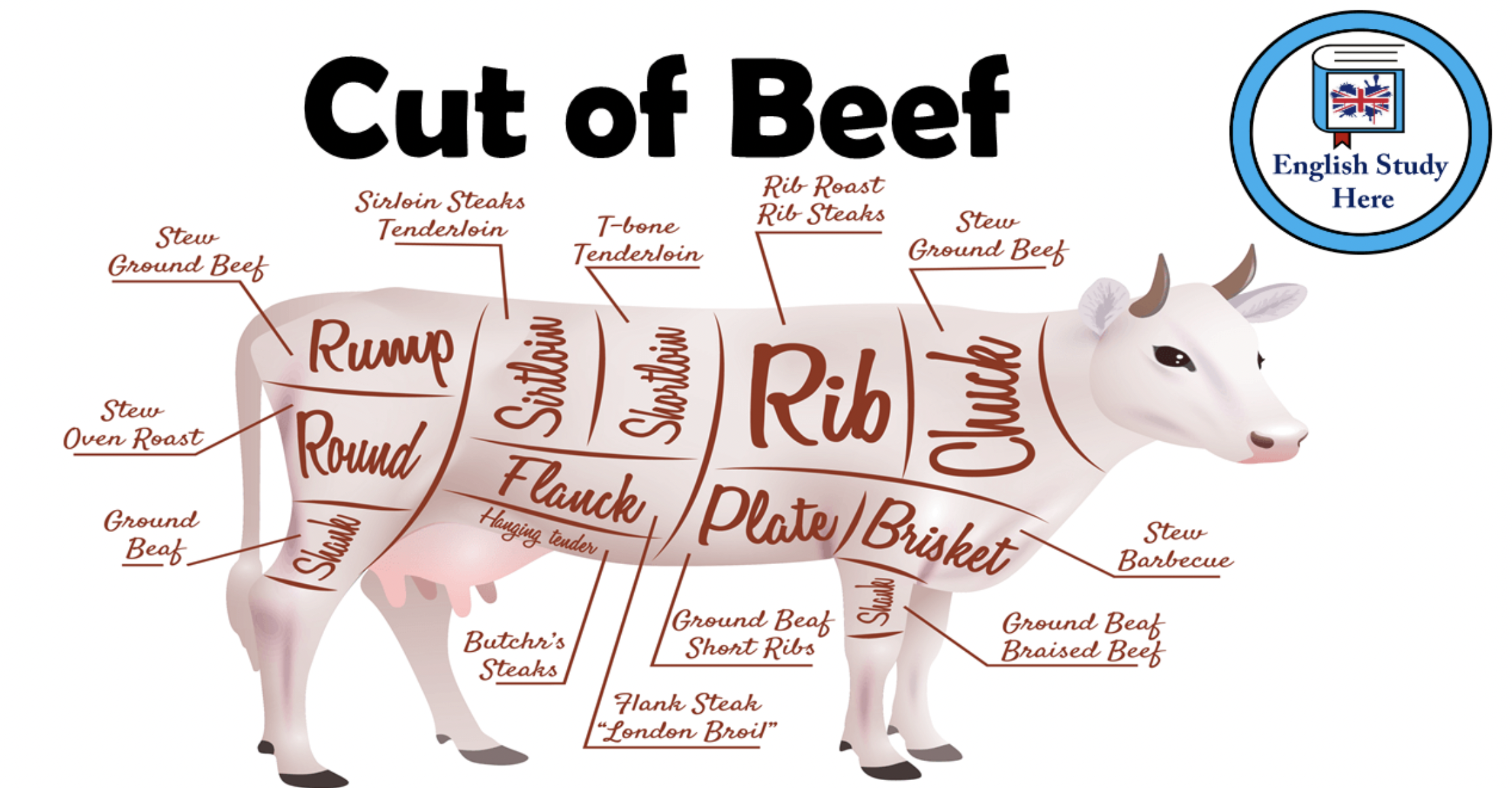
Can you find the equivalence in Catalan and Spanish?
TASK 6 - Listening 
Listen to an expert describing how to prepare sushi and choose the best answer each time.
1. Colours in sushi should ...
A compliment.
B contrast.
C clash.
2. The flavours of sushi are usually ...
A natural.
B traditional.
C unusual.
3. Soft, chewy and crunchy textures should be ...
A avoided.
B balanced.
C exaggerated.
4. The presentation of your sushi should be ...
A elaborate.
B simple.
C sophisticated.
5. Your sushi plate should not be ...
A too crowded.
B visible at all.
C more healthy.
6 .Your sushi rolls should ...
A fit one mouthful
B not fit one mouthful.
C be different sizes.
7. The sushi tray is ...
A as important as the sushi.
B more important than the sushi.
C not quite as important as the sushi.
8. It's important for your sushi-making to reflect the creativity and spirit of ...
A the person who makes it.
B the person who eats it.
C an artist.
TASK 7 - WRITING 
A FOOD BLOG
1 Read the following post about Vietnamese cuisine. Prepare 5 reading comprehension for your classmates.
2. How to write a good post for a blog. Apart from the necessary introduction, body and conclusion, these are some key elements in a good post.
-
Appealing title and date (this info summarises what the post is about and tells you if the information is up-to-date)
-
Language is usually informal, colloquial, with lots of 1st person singular pronouns, to state clearly that this is ‘my’ experience. The blogger talks straight to the reader, there’s nothing or nobody in between.
-
Many adjectives are used.
-
There are calls to action, to like the page, to write a comment, to buy something, to share the post, etc. Interactivity is very important.
-
The post is always illustrated with a/some photos, visual language.
Now imagine you're backpacking abroad and keeping a blog of your travels. Write a post about the cuisine of the area the teacher will assign to you.
COUNTRIES
MEXICO, MOROCCO, ITALY, FRANCE, SOUTH AFRICA, PORTUGAL, RUSSIA, GERMANY, AUSTRIA, JAPAN, THAILAND, VIETNAM, TUNISIA, PERU, AUSTRALIA, CHINA
EXTRA PRACTICE ON MIXED CONDITIONAL SENTENCES
- Try this exercise.